Regional food traditions in Canada
Canadian food culture isn’t one single menu. It’s a set of regional habits shaped by climate, migration, trade, and what people can cook on an ordinary weeknight. This page is a tasting map: a few anchor ingredients and the traditions around them—no claims about health, only flavour and culture.
Maple season: sweetness with smoke, salt, and ritual
Maple is a seasonal marker. Even if you’ve never been to a sugar shack, the flavour shows up in breakfasts, glazes, and baking. The key is balance: maple works best with salt, acidity, and heat.
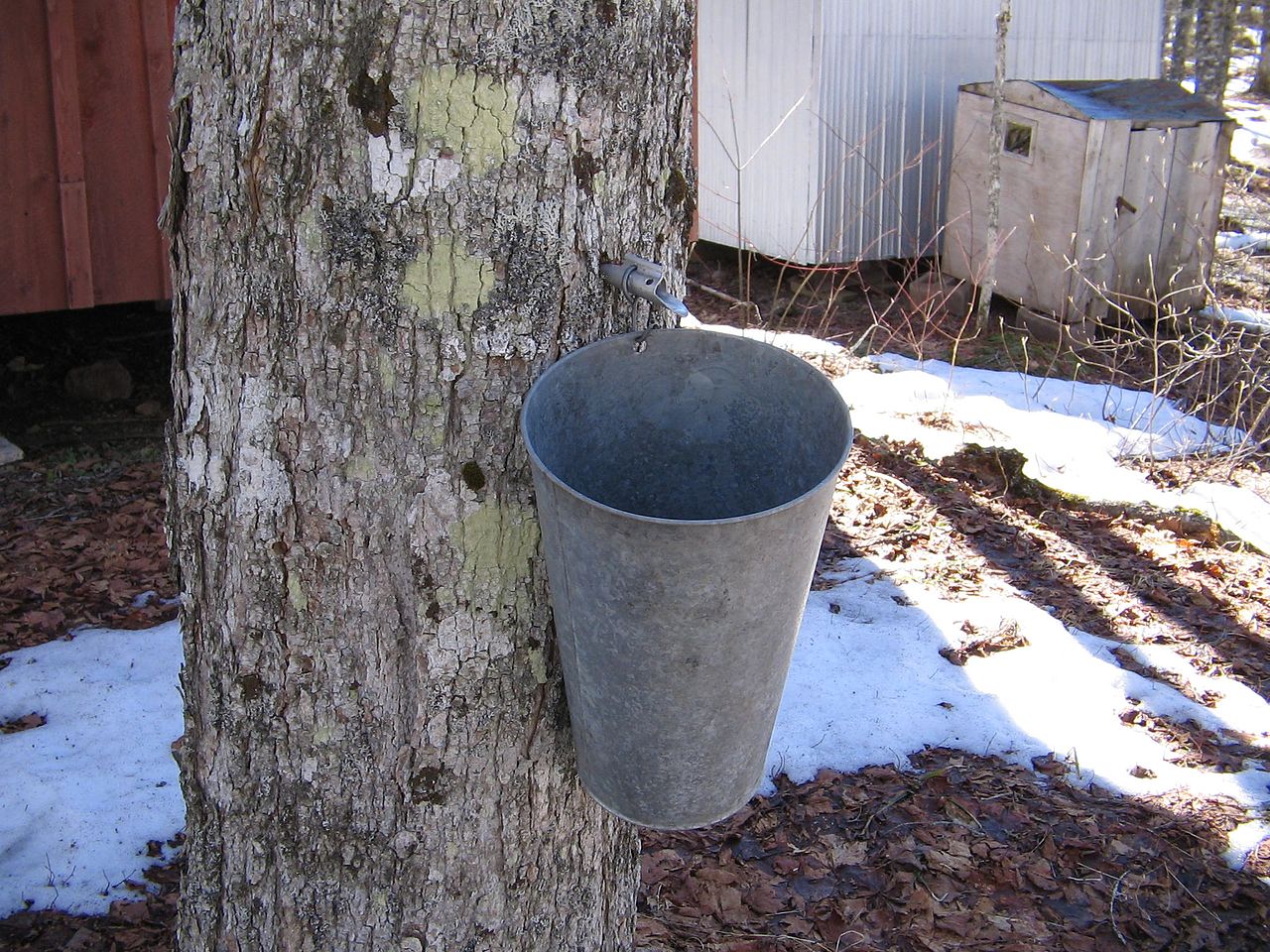
Stir a teaspoon into a vinaigrette (vinegar + oil + salt). It’s a small trick that makes salads and roasted vegetables taste more “finished.”
Coastal habits: salmon, smoke, and straightforward cooking
Along the Pacific coast, seafood culture often leans simple: good ingredients, gentle seasoning, and techniques that respect texture. Smoked fish, in particular, is a common bridge between traditions—served with bread, potatoes, or eggs.

Treat smoked salmon like a seasoning: fold a small amount into pasta or add it to a potato salad with lemon and dill. For pantry pairings, see Pantry essentials.
Prairie baking: oats, berries, and “make-a-pan” logic
Prairie home baking often prizes practicality: tray bakes, quick breads, and fruit-forward desserts that use what’s available. Saskatoon berries are a good example—distinct, familiar, and tied to place.
If you’re building a seasonal plan, pair this with Seasonal produce in Canada.
Quick bread traditions: bannock as a technique
Bannock is often discussed as a recipe, but it can also be understood as a technique: a quick bread format that adapts to what’s on hand. The flavour and texture shift with fat choice, heat source, and thickness.

If you want an easy weeknight version, think “small rounds in a pan” rather than one large loaf. The point is speed, not perfection.
Sources for cultural background
For broader context about Canadian culinary history and regional culture: The Canadian Encyclopedia. For travel planning context (markets and regional food experiences): Destination Canada.